The Celtic Triskelion Spiral: A Designer's Practical Review
When a new embroidery file lands on my desktop, I don't just look at the preview image. I think about how it will actually look when the needle hits the fabric, and what kind of project it genuinely belongs to. The Celtic Triskelion Spiral design immediately presents itself as more than just a pattern; it's a statement piece with a quiet, ancient energy. It doesn’t shout, but it confidently commands attention with its interlocking, flowing form. The mood it creates is one of connection, motion, and timelessness—perfect for projects that feel meaningful rather than merely decorative.
Where This Design Naturally Belongs
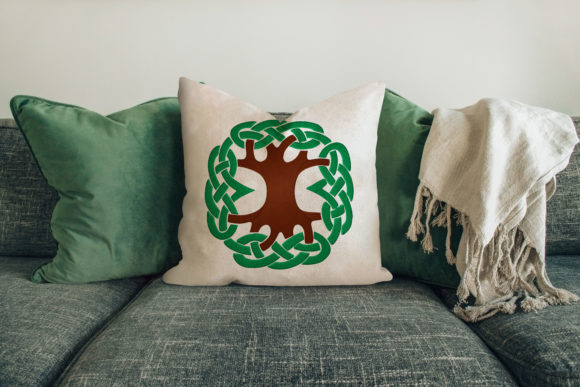
This isn’t a design I'd automatically slap onto a standard t-shirt. Its personality calls for a canvas that matches its gravity. I picture it beautifully centered on a linen pillow cover for a cozy reading nook, or as a singular focal point on the front of a heavyweight cotton tote bag—a bag meant for markets, not just groceries. For a boutique product, imagine it embroidered on a soft, heather-gray sweatshirt; the spiral would offer a sophisticated, artsy alternative to typical logo embroidery. The travel category hint feels apt—this would be a stunning gift for a wanderer, perhaps on a durable backpack or a travel journal cover, symbolizing journeys and cycles.
In my own workflow, I'm currently considering it for a custom baby blanket order. The client wants a symbol of growth and protection, not cartoon characters. The Triskelion’s three spirals could represent past, present, and future—a deeply personal touch for a handmade heirloom. That’s the kind of value this design can add: it transforms a simple embroidered item into a conversation piece with a story.
Performance in Real-Life Embroidery Situations
Given it’s digitized by hand and available in multiple sizes, I have confidence in its stitch structure. For a practical test scenario, let’s walk through using it on a canvas tote bag. The larger, open areas of the spiral will likely use a fill stitch, which needs proper stabilizer on such a sturdy fabric to look crisp. The flowing lines will be satin stitches or running stitches; their clarity will be everything. On a dark fabric, I’d plan to use a slightly brighter thread palette than on a light background to maintain that sense of motion and detail.
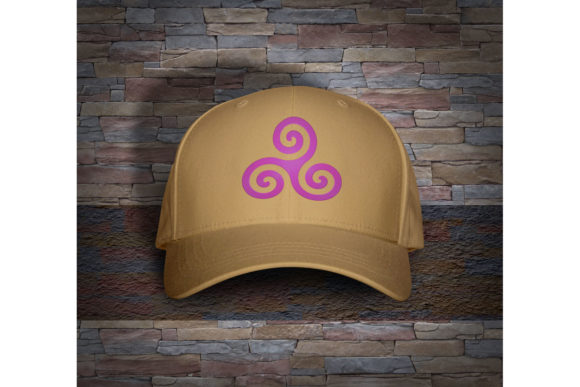
For apparel like sweatshirts or caps, the design’s continuous flow is a benefit—there aren’t tiny, isolated details that might get lost on textured fabric. However, on a curved surface like a cap, one of the larger available sizes would be essential to maintain visual impact. For baby clothes or lightweight kitchen towels, I’d lean toward the smallest included size to keep the stitch density appropriate for the delicate fabric and ensure it survives frequent washing without feeling stiff or bulky.
Visual Appeal and Professional Presentation
What matters to my clients—and to customers in a craft business—is how the finished product feels. This design elevates the presentation. On a pillow or a tea towel in a small shop’s Etsy listing, it conveys craftsmanship. It doesn’t look generic; it looks intentional. That builds customer trust and engagement. For a creative entrepreneur selling personalized gifts, it offers a premium alternative to common motifs. The symmetry and balance also mean it works beautifully in printable mockups and digital previews, helping sell the idea before the first stitch is made.
Careful Considerations and Designer Notes
No design is universally perfect, and practical judgment is key. The Celtic Triskelion Spiral’s strength is its continuous form, but that also means its stitch density needs to be checked in your specific hoop size. I always advise—and I’ll do this myself—to test it on scrap fabric first, especially if you plan to use it on a stretchy fabric or a dark background. See how the thread colors you choose contrast. Does the spiral’s motion still read clearly?
If you’re an apparel decorator or small business owner planning commercial embroidery projects with this file, confirm its licensing terms. Always check the provided formats and exact hoop sizes before committing to a production run. For patches, this could be magnificent, but inspect how the design corners translate—a dense stitch area at the spiral’s center might need adjustment for a crisp patch edge.
My final note is about brand consistency. If you’re a maker with a certain aesthetic—perhaps rustic, mystical, or heritage-focused—this embroidery design could become a core asset. It’s giftable, professional, and recognizable. But it won’t fit a loud, modern brand. Its appeal is in its timeless, handmade presentation. Use it where that resonance will be felt, and your finished product will carry a weight far beyond its stitches.
Making It Work For You
So, as a fellow designer reviewing this for real work, my take is clear: the Celtic Triskelion Spiral is a specialized, high-quality tool. It’s not for every project, but for the right project—a custom embroidered tote, a boutique pillow, a meaningful holiday gift—it can be the element that turns a simple craft into a cherished product. Approach it with respect for its detail, test it thoroughly on your intended fabric, and let its ancient spiral tell a new story through your hands and your machine.