A Practical Review of the Celtic Tree of Life Embroidery Design
First Impression: A Design Full of Symbolic Charm
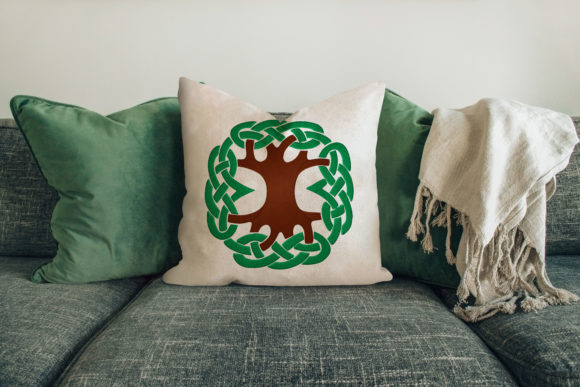
When I first saw the Celtic Tree of Life embroidery design, I was struck by its balanced, intricate feel. It carries a quiet, symbolic mood that isn’t overly loud or flashy—perfect for projects where the meaning is as important as the decoration. The detail level suggests a hand-digitized care, with a stitching personality that feels organic and connected, much like the tree itself. This isn’t a generic, mass-produced motif; it has a decorative appeal that fits naturally into handmade goods aiming for a touch of timelessness or personal significance.
Where This Design Naturally Thrives in Your Projects
This machine embroidery design intuitively fits into a range of real-world applications. I immediately pictured it on a premium pillow cover for a cozy reading nook, or as a central feature on a linen tote bag for a boutique. For Etsy sellers and craft fair vendors, it’s a strong candidate for custom apparel like sweatshirts or aprons, where a single, meaningful emblem can elevate the entire piece. Its aesthetic is wonderfully suited for handmade gifts: think of it embroidered on a baby blanket or a kitchen towel as a heartfelt wedding present. In nursery decor or on a simple cap, it offers a gentle, nature-inspired theme.
Considering Commercial Embroidery and Product Value
From a commercial embroidery perspective, the Celtic Tree of Life can directly affect perceived product value. A clean, well-executed version of this design on a sweatshirt or tote adds a layer of craftsmanship that buyers trust. It enhances handmade presentation and gives your product photography a focal point with visual appeal. For small business owners building a brand, a consistent use of such a distinctive motif across items—like patches, pillow covers, and aprons—can foster brand consistency and improve customer engagement. The design’s inherent giftability is a real asset for seasonal offerings.
Practical Performance on the Machine and Fabric
Evaluating any embroidery file for real use means thinking about its behavior under the needle. The description notes it’s available in multiple sizes and digitized by hand, which typically implies thoughtful stitch construction. For practical use, you must consider the project’s fabric. On textured fabric like a burlap tote or stretchy fabric like a sweatshirt, the interconnected lines of the tree will need appropriate stabilizer to prevent puckering. Embroidering on dark fabric will require a smart thread color contrast plan—perhaps a cream or silver—to ensure the details pop. For items like caps with curved surfaces, the chosen hoop size and the design’s adaptability to that curvature are critical.
The interconnected layered details and potential dense stitch areas (like the tree’s core) mean a pre-run test is essential. Always test on scrap fabric of the same weight and type as your final product. This allows you to review stitch density and inspect small details after stitching, checking for any thread breaks or jumps in the intricate lines. Since the description mentions it’s digitized with stitch ang, paying attention to the stitch direction in the fill areas can help predict the final texture.
Navigating Smaller Hoop Sizes and Washability
For projects like embroidered patches or baby items needing a smaller scale, one of the included smaller file sizes would be used. Here, the potential for tiny lettering or exceptionally fine branches must be scrutinized; some machines and thread types might struggle to render them clearly on, say, a delicate kitchen towel. Furthermore, for any finished product that needs frequent washing—like aprons or baby blankets—a robust stitch structure is key to longevity. A design with balanced density and secure stitch paths, which this appears to have, will hold up better over time.
Essential Steps Before You Commit to a Project
Before loading this Creative Fabrica embroidery design for a customer order, your due diligence is crucial. First, confirm hoop size requirements against your machine’s capabilities and the physical size of your item—a pillow cover might need the largest size, while a cap might need a specific smaller one. Always compare light and dark fabric mockups, either digitally or with quick stitch-outs, to visualize the final look. Use the proper stabilizer recommended for your fabric type; a design with this much interconnected detail can be compromised by poor stabilization.
Most importantly, confirm file details and licensing on the Creative Fabrica product page before selling finished items. The product description provides the core info—it’s a digital embroidery file available in 6 sizes, digitized by hand for pillows, shirts, etc. But you must verify the exact file formats for your machine, the precise hoop sizes included, and the commercial use license terms. Never assume; always check. This protects your business and ensures you’re using the design assets correctly.
Final Thoughts: Is This Design Worth Using?
The Celtic Tree of Life from Creative Fabrica presents itself as a high quality embroidery design with thoughtful digitization. For the embroidery designer or creative entrepreneur looking for a versatile, symbol-rich motif for house-focused items or apparel, it holds significant promise. Its strength lies in its aesthetic fit for meaningful, giftable products and its potential to add value through craftsmanship. However, its successful application hinges entirely on your practical preparation: testing, stabilizing, and verifying the technical specifics. If you approach it with that professional care, it can become a reliable and beautiful part of your commercial embroidery or handmade product lineup.