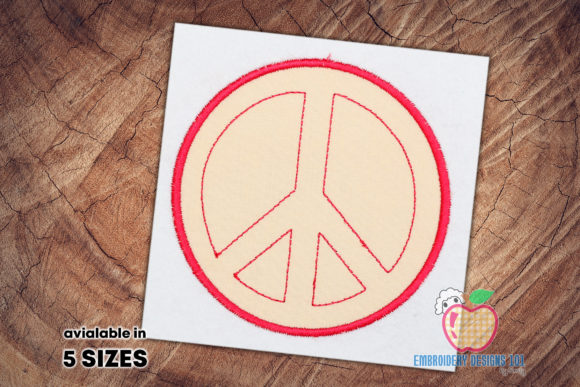
Sign of Piece in Red Applique Pattern: A Craft Fair Review
When preparing products for a weekend craft fair booth, every machine embroidery design choice matters. You’re not just selecting a file; you’re choosing a potential product that needs to capture attention, convey quality, and sell quickly. Having reviewed countless designs for my own handmade shop, I look at Sign of Piece in Red Applique Pattern with a specific lens: its real-world potential on the display table.
First Impressions: Bold and Graphic
The title immediately suggests a strong, graphic appeal. “Sign of Piece” coupled with “Red Applique” evokes a feeling that is bold, modern, and slightly rustic. This isn’t a cute, whimsical motif; it’s a statement piece. The use of applique—where fabric pieces are stitched down—typically creates a cleaner, more defined look compared to fully stitched fill areas, which is a significant advantage for a craft fair product. This design feels like it could slot into several popular aesthetics: modern farmhouse, contemporary handmade, or even a touch of graphic art. That versatility is a valuable starting point.
Where This Design Stands Out on the Booth
Imagine your table: tote bags, aprons, tea towels, pillow covers, small pouches, and caps. Where does Sign of Piece in Red Applique Pattern fit best? My professional judgment leans towards items where the design can be a large, central focal point. The graphic nature means it needs space to be appreciated.
- Tote bags and market bags are prime candidates. A bold red applique pattern on a natural canvas or black tote creates immediate visual contrast and perceived higher value.
- Pillow covers, especially for decorative throw pillows, could be a standout, higher-price-point item. The design feels decorative and premium enough for home decor.
- Aprons, particularly chef-style or utility aprons, offer a large, flat surface. This pattern could transform a simple apron into a featured, boutique-style product.
While it could be adapted as a small accent on a cap or pouch, the risk is losing the impact of its graphic quality. Tiny details or small lettering, if present, might become unclear. For patches, the applique technique can work beautifully, but the overall “sign” composition needs to be checked for clarity at a reduced size.
Practical Production for the Small Shop
The product description states it comes with multiple embroidery file formats and steps separated by color changes. This is crucial for small shop production. Multiple file formats mean you can likely run it on various embroidery machines without conversion headaches, speeding up batch production. Color-change separation makes the stitching process easier to manage and more efficient, which is a must when you’re producing dozens of items for a fair.
However, key details like exact stitch count, recommended hoop size, or commercial licensing terms aren’t provided here. Always check those with the design file before production. For a design like this, assumed to be a larger focal piece, you’ll likely need a bigger hoop—possibly 5x7 or larger—which influences the size of products you can create.
Critical Designer Notes Before You Stitch
- Test on scrap fabric first, especially the actual materials you’ll use: textured towels, dense canvas for bags, or curved cap surfaces. Applique can behave differently on various textures.
- Check thread contrast meticulously. “Red Applique” suggests a dominant color, but the background fabric color is equally important. On dark fabrics, the applique fabric piece itself must be light enough to pop. Consider natural linen, white cotton, or light denim as excellent bases.
- Review stitch density in the file preview. Dense stitch areas, especially around the applique edges, can affect the feel on thinner fabrics like tea towels. Use the correct stabilizer to prevent puckering and maintain that handmade quality look.
- Create at least one real physical mockup before batch production. How does it photograph? A bold, graphic design like this should photograph very well for your Etsy listings and printable mockups, creating strong digital assets.
Selling Power and Customer Attention
At a bustling craft fair, products need to communicate their value quickly. Sign of Piece in Red Applique Pattern has an advantage here: its graphic boldness makes it easy to understand at a glance. A customer walking past your booth will notice a tote bag with this design immediately. It doesn’t require close study; it offers instant visual appeal. This directly drives buyer engagement.
That instant appeal also boosts perceived product value. A clean, well-executed applique design on a premium item like a linen pillow cover looks professional and artisanal. It supports a brand consistency of strong, modern handmade goods. For an Etsy seller or small shop product, this consistency across your line—perhaps using this design as a signature background motif—can be powerful.
Considerations for Batch Production & Final Thoughts
Is this design repeatable for producing twenty tote bags for your booth? The provided structure (multiple formats, color steps) suggests yes, from a technical standpoint. The design’s style—likely not overly complex or with excessive tiny details—also points towards good repeatability. However, the applique process itself adds a step: cutting and placing the fabric pieces. This is more hands-on than a simple stitch-out design, so factor in that additional time.
For craft fair sellers and creative entrepreneurs, Sign of Piece in Red Applique Pattern represents a promising option for creating standout, higher-impact products. Its bold, graphic mood is currently popular in the handmade market. Focus it on larger-surface items where its character can shine, pay close attention to fabric and thread contrast to maximize its visual punch, and always, always test first. With careful production, this machine embroidery design can become a real attention-grabber on your display table and a valued addition to your line of commercial embroidery products.