Heart Butterfly: A Designer's Review for Craft Fair Success
From my studio to your craft fair booth, let’s talk about turning a digital embroidery file into a profitable, handmade product. Today, I’m reviewing the Heart Butterfly design. This isn’t just about whether it’s “adorable”—it’s about whether it will sell, look excellent in person, and be practical to produce for your small shop.
First Impression: Sweetness with Shelf Appeal
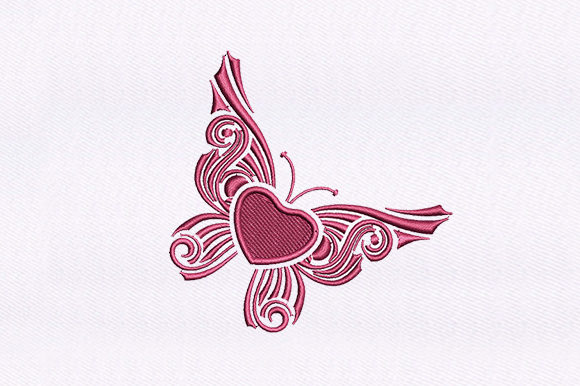
The name Heart Butterfly immediately sets a tone. This design isn’t minimalist or rustic; it leans into cute, decorative, and festive. For customers browsing a booth, that’s a clear signal. It suggests a gift, a touch of softness, and a bit of whimsy. This is crucial. At a busy market, designs that communicate their vibe instantly have a better chance of stopping someone mid-stride. Heart Butterfly does that. It feels romantic and approachable, which perfectly aligns with its listed category of Valentine's Day, but its appeal isn’t limited to February. This kind of sweet motif can sell year-round on the right products.
Where It Shines on the Display Table
Imagine your booth: tote bags, aprons, tea towels, pillow covers, and small giftable pouches. Where does Heart Butterfly stand out?
- Tote Bags & Market Bags: As a large focal design centered on the front, this butterfly becomes a statement. It adds perceived value, turning a simple bag into a “special” purchase.
- Aprons & Kitchen Towels: The description mentions bed sheets and table cloths, hinting at a home décor angle. On a tea towel or apron, this design feels charming and premium, elevating a utilitarian item.
- Embroidered Patches: This is a fantastic option. A Heart Butterfly patch can be applied to jackets, backpacks, or caps. It’s a lower-cost item for customers and allows for quick, batch production for you.
- Small Gift Items: Think fabric pouches, pillow covers for a child’s room, or even handkerchiefs. The scale works beautifully here, offering a delicate accent rather than an overwhelming pattern.
The key is to choose products that match the design’s mood. A cute butterfly on a rugged work cap might feel mismatched, but on a light linen apron or a pastel tote bag, it’s a perfect harmony that customers will notice.
Practical Production: Making It Work for Your Business
As an embroidery designer, I always think about the machine and the maker. The description says it comes with multiple embroidery file formats, which is excellent for compatibility. But before you load any file, consider these real-world production points.
- Stitch Density & Fabric: Butterfly wings often have fill stitches. Test this design on a scrap of your intended fabric—like the textured surface of a kitchen towel or the thick canvas of a tote bag. High stitch density on textured towels might require a good stabilizer to maintain clarity.
- Size & Scale: Can Heart Butterfly be sized down for a small accent on a cap or pouch without losing detail? Check the original file specs. Tiny, intricate details may blur at very small sizes. Conversely, enlarging it for a pillow cover could make it a stunning, bold focal point.
- Thread & Contrast: This design likely relies on contrast to pop. On dark fabrics, you’ll need to choose bright, light thread colors. Always create at least one real physical mockup on various fabric colors (white, navy, pale pink) to see how it photographs. Your Etsy listing photos depend on this contrast.
- Hoop Size & Efficiency: Knowing the required hoop size is vital for batch production. A design that fits in a common, smaller hoop means you can produce items faster, like a series of patches or pouches, maximizing your time before the fair.
The Selling Power: Attention, Value, and Consistency
How does this design translate into sales? Let’s break it down.
Visual Appeal & Customer Attention: In a booth, products with clear, appealing imagery sell faster. Heart Butterfly is inherently attractive and easy to understand at a glance. It doesn’t require explanation; it evokes a positive emotion. This directly boosts buyer engagement—people pick up the item to look closer.
Product Value & Handmade Quality: A clean, well-embroidered butterfly signals care and skill. It makes a tea towel feel like a handmade product, not a commodity. This increases its perceived value and allows for a healthier price point, especially when combined with quality materials.
Brand Consistency & Booth Display: If your brand is about sweet, giftable, home-style items, this design strengthens that story. Using it across a coordinated line (e.g., a towel, a matching pouch, and an apron) creates a powerful, professional display that attracts more serious browsing.
A Designer’s Final Checklist Before Stitching
Before you commit to producing fifty tote bags for your next market, run through this quick list. It’s what I do for every design I commercialize.
- Test on Scrap Fabric: Use the actual fabric you plan to sell. Check for puckering or thread breaks.
- Review Thread Color Spacing: Does the design use distinct colors that are easy to manage? Complex color changes can slow batch production.
- Inspect Stitch Density: Are there areas so dense they might challenge lighter fabrics? Adjust stabilizer accordingly.
- Confirm Commercial Use: The description doesn’t specify licensing. Always verify that your embroidery file purchase includes a license for selling finished products at craft fairs or online.
- Create a Real Mockup: Don’t rely on digital previews. Stitch one complete, finished product. See how it feels, hangs, and photographs. This mockup can also be your star sample at the booth.
Heart Butterfly: A Strong Candidate for Your Next Fair
In summary, Heart Butterfly is a design with strong commercial potential for craft fair sellers and Etsy shops. Its cute, festive character makes it an easy sell on the right products—particularly tote bags, aprons, tea towels, and patches. It photographs well, adds handmade quality, and can be adapted for batch production if the technical details like hoop size and stitch density are manageable.
Your success with it hinges on the practical steps: testing, verifying licensing, and choosing products that align with its sweet aesthetic. When displayed thoughtfully in your booth, this embroidery design won’t just be adorable—it will be a profitable part of your handmade product lineup.