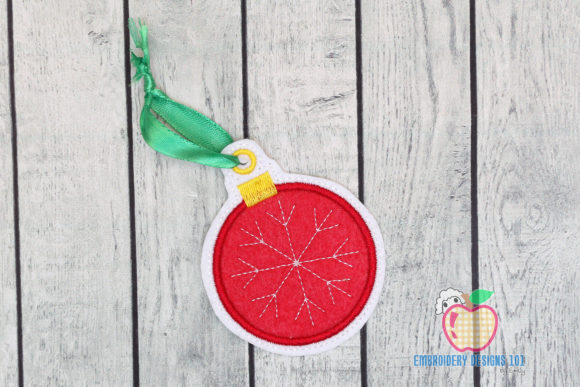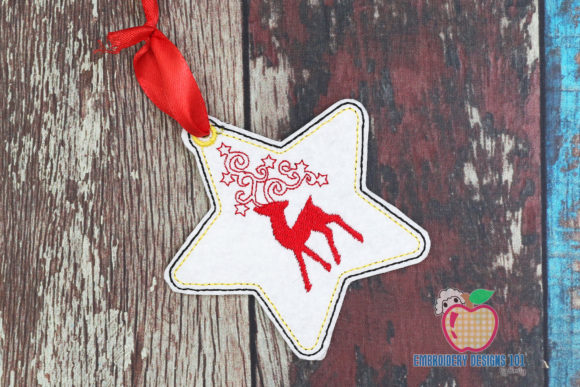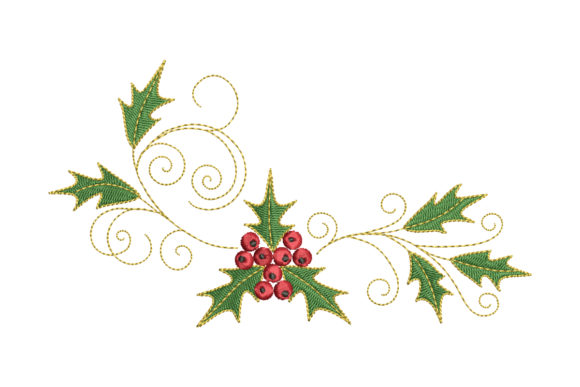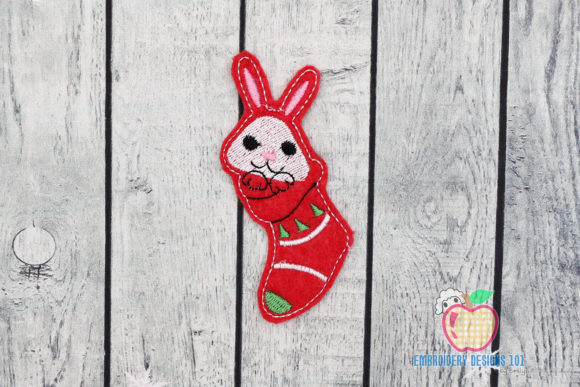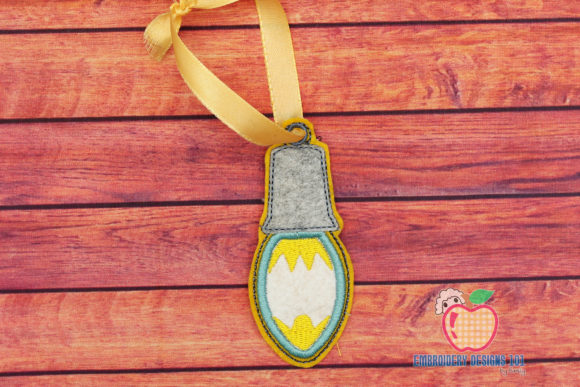
Reviewing the Christmas Lights In-The-Hoop Ornament Design
When a new embroidery file lands in my library, my first question isn’t just “is it pretty?” It’s “where will it live?” As someone who stitches for clients, my shop, and my own gifts, a design needs to prove itself beyond the preview image. Let’s walk through the Christmas Lights in the Hoop Ornament with that practical lens.
The First Impression: Festive, Clean, and Immediately Useful
Opening this design, the mood is clear: cheerful and classic. The layout of the lights feels balanced, not too dense, with a friendly simplicity. This isn’t an overly intricate scene; it’s a recognizable holiday emblem. That’s a strong starting point. For a handmade product, especially during the busy season, a design that stitches cleanly without excessive thread changes or tricky details is a gift in itself. It promises a smooth transition from digital file to finished product.
Where This Design Naturally Belongs
Thinking about real projects, I immediately picture this ornament on a crisp, cotton kitchen towel as a holiday hostess gift, or centered on a linen pillow cover for festive decor. Its 4x4 hoop size makes it a versatile candidate. I recently used a similar festive motif on a custom tote bag for a small boutique’s holiday promo, and the reaction was all about the crisp, joyful clarity. The Christmas Lights in the Hoop Ornament would play that role perfectly.
For baby clothes, like a holiday-themed bib or sweater, the scale is appropriate—not overwhelming. For small business merchandise, such as patches or appliqués on aprons, it offers a professional, finished look right in the hoop, which is a huge time-saver. The included PDF tutorial suggests the digitizer is thinking about the maker’s process, which builds trust before you even load the file.
A Real Scenario: Preparing Holiday Sweatshirts
Imagine you’re running a pre-Christmas batch of personalized sweatshirts. You need a design that is recognizably festive, stitches reliably on a textured fleece backdrop, and feels special without being fragile. Here, the ornament’s defined shape and likely use of satin stitches for the lights and fill stitches for the background would be key. On a dark sweatshirt, the contrast of bright thread colors would pop. The question becomes: how does the density handle a stretchy fabric? That’s where your pre-test is non-negotiable.
Performance Points to Check Before Commitment
Any experienced embroidery designer knows the preview is a promise; the stitched sample is the truth. With this design, focus on a few critical areas.
- Small Details: The points where the light strings connect, or any tiny decorative accents, need to be clear on your test scrap. High stitch density in a small area can cause puckering on thin fabrics like t-shirts.
- Fabric Marriage: This design feels suited for mid-weight fabrics: towels, bags, apparel without extreme stretch. On a cap’s curved surface, the circular shape should adapt well, but stabilizing correctly is paramount.
- Color & Contrast: The visual appeal hinges on thread choice. Test it on both light and dark backgrounds. On a white baby blanket, it might need deeper, richer thread colors to stand out. That’s a simple but crucial adjustment.
The “in the hoop” nature means it’s intended to be a finished item, like an ornament or patch. That’s fantastic for product speed. But if you’re planning to integrate it into a larger custom apparel piece, ensure your machine’s positioning allows for a clean 4x4 placement.
Where to Use With Care
My rule is: know a design’s limits to maximize its strengths. For the Christmas Lights in the Hoop Ornament, I’d proceed cautiously on very lightweight or slinky fabrics without robust stabilizer. Also, if the design includes delicate, single-line running stitches for details, they might get lost on a nubby texture like some sweatshirt fleeces. For products destined for frequent washing—like kitchen linens—a solid stitch density and secure borders are important; inspect the file’s edge integrity in your test.
Another consideration: for commercial embroidery projects where you’re stitching dozens of items, a design with fewer color changes and consistent stitch areas increases efficiency. This ornament appears streamlined, which is a good sign for batch production.
The Impact on Your Business and Clients
When a design stitches out cleanly, it directly boosts customer trust and your brand’s professionalism. A crisp, happy holiday ornament on a gift item feels intentional and high-value. For an Etsy seller or craft fair vendor, such a product photographs well for mockups and listings, engaging buyers with its clear, festive personality.
It also aids in brand consistency. If your holiday line features clean, classic motifs, this design integrates seamlessly. For personalized gifts, adding a name or date around such a central ornament is visually straightforward.
Practical Notes From the Hoop
Before this embroidery file touches a client’s garment or your product inventory, here’s my checklist.
- Stitch it on a scrap of the actual fabric you plan to use, with the stabilizer you prefer.
- Note the thread color count and sequence. Plan your palette for light and dark backgrounds.
- Observe the stitch-out for any jumps or overly dense areas that might need slight tension adjustment.
- Confirm the finished size fits your product vision. A 4x4 hoop output is a specific dimension.
- If using for commercial projects or selling finished items, verify the licensing terms of the digital embroidery file.
Finally, the best test: does it make you smile when it’s stitched? Does it look like something a customer would be delighted to receive or wear? For this Christmas Lights in the Hoop Ornament, based on its balanced layout and practical hoop-ready format, my professional instinct says yes—provided you do that essential fabric marriage test. It’s a design that understands its job: to bring a bit of festive, handmade light to a project, efficiently and cheerfully.