Christmas Reindeer Ornament Embroidery Design Review
As a professional embroidery designer preparing for a busy holiday craft fair, I’m always scrutinizing new designs with a practical eye. The Christmas Reindeer Ornament isn’t just a file to open; it’s a potential product that needs to earn its place on my booth table. Let’s break down its real-world potential for handmade market products.
A Festive First Impression: Elegant and Decorative
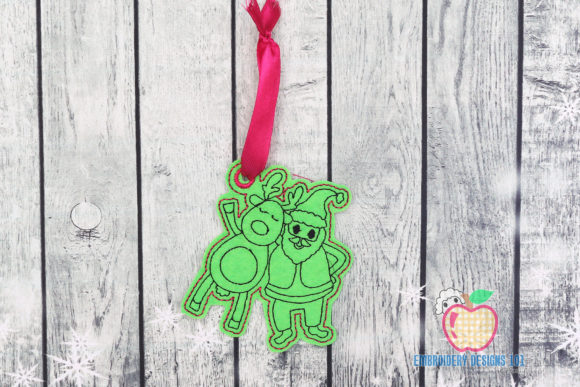
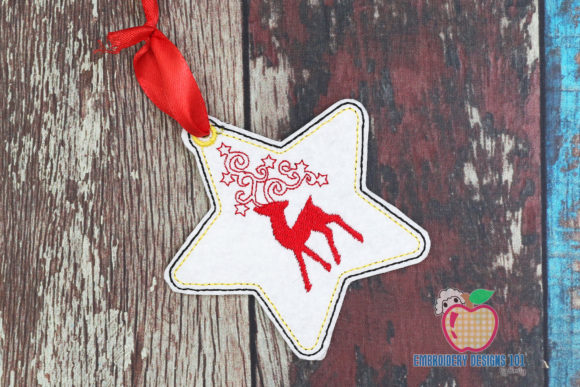
The description suggests a “stunning” reindeer with decorated horns within a star shape. This immediately tells me the mood is festive, elegant, and decorative. It’s not a cartoon reindeer; it’s a crafted, detailed piece meant to feel special. This is crucial for holiday shoppers looking for gifts that feel premium and thoughtful, not generic. At a glance across a crowded fair, a product featuring this design should catch the eye as something intentional and beautifully made.
Product Performance: Where This Design Shines
My booth will feature a range of items: tote bags, aprons, tea towels, patches, caps, pouches, and pillow covers. The Christmas Reindeer Ornament needs to adapt.
Strong Candidates for High Sales
This design, with its contained star shape, is a natural fit for smaller, giftable items where it becomes the sole focal point.
- Embroidered Patches: This is a top contender. The star frame gives it a finished, ready-to-apply look. Patches are low-cost to produce, high-value to customers, and sell incredibly well at fairs.
- Fabric Pouches & Small Gift Bags: A single reindeer ornament embroidered on a linen pouch instantly elevates it. Perfect for holding a gift card or small present.
- Pillow Covers (Small Scale): As a repeated motif or a single accent on a holiday pillow, the elegant detail would translate well.
- Tea Towels & Kitchen Towels: A classic. One ornament near the corner of a flour sack towel creates a festive, usable kitchen gift. Watch for fabric texture; a smooth towel is better for detailed horns.
Considerations for Larger Items
On larger products like tote bags or aprons, the design might need to be scaled or positioned thoughtfully.
- As a single, larger motif on a tote bag, it could work as a bold statement. However, the “ornament” feel suggests it might be better as a cluster of smaller designs on a market bag.
- On an apron, placement is key—perhaps centered on the pocket or as a chest accent. The detailed horns could lose clarity on a heavily textured apron fabric.
- Caps are tricky due to the curved surface. The star shape might distort unless the embroidery file is expertly adapted for curved hooping. I’d test this on scrap first.
Practical Production and Selling Points
Turning a digital embroidery file into a profitable craft fair product requires a cold, practical assessment.
Clarity and Batch Production
The design seems easy to understand at a glance—a reindeer in a star. This visual clarity is vital for quick customer engagement at a busy fair. It likely works best as a small accent or medium focal design. For batch production, the contained shape is promising. If the stitch count is reasonable and the hoop size is common (like a 4x4 or 5x7), it could be efficiently repeated. I always advise: check the actual stitch density and thread color count in your file before committing to batch work. High density on dense fabrics like canvas could lead to production slowdowns.
Photography and Online Sales
For Etsy sellers and online listings, this design should photograph well. The star frame creates a natural boundary, making printable mockups clean. Contrast is key: on dark fabrics, the design might pop if the thread colors are light, but you must test on scrap fabric to ensure the decorated horns don’t become a muddy blob. Always create at least one real physical mockup for photos—it shows handmade quality far better than a digital render.
Careful-Use Notes for a Quality Finish
Professional results come from anticipating problems.
- Dense Stitch Areas: The “detailed horns” could mean concentrated stitching. Use the correct stabilizer to prevent puckering, especially on lightweight fabrics like pouches.
- Small Details & Scaling: If you reduce the size dramatically for a tiny accent, the horn details may vanish. Know your minimum clear size.
- Thread Contrast: Review the suggested thread colors. On a natural linen towel, a gold or metallic thread for the horns could look stunning and increase perceived value.
- Commercial Licensing: Before selling any finished product, confirm your digital embroidery file license permits commercial embroidery. Never assume.
The Booth Impact: Drawing Customer Attention
Finally, how does the Christmas Reindeer Ornament help my booth succeed?
It boosts visual appeal by offering a clear, festive narrative. Customers looking for Christmas decor will gravitate toward it. On a well-made product like a crisp pillow cover, it increases product value. It supports brand consistency if your shop specializes in elegant holiday motifs. In a display, grouping several products with this same design (a towel, a pouch, a patch) creates a strong, cohesive collection that buyers engage with. It tells a story.
My final designer’s note: this Christmas Reindeer Ornament design has strong potential for the holiday market, particularly on smaller, gift-focused items. Its decorative elegance is its selling strength. But its success hinges entirely on practical execution: proper testing, fabric choice, and production planning. Bring it to life on the right products, and it will be a festive standout on your craft fair table.