An Embroidery Designer Reviews Tattoo Design on Cushion
First Impression: Bold, Decorative, and Versatile
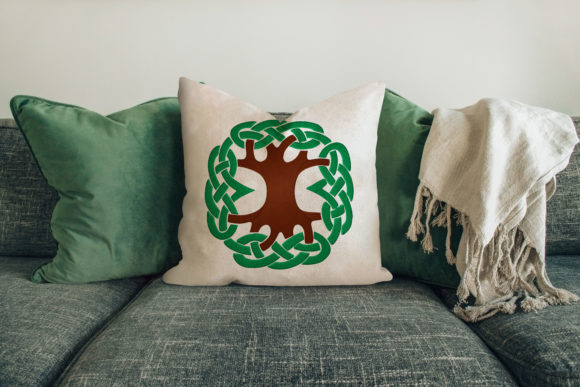
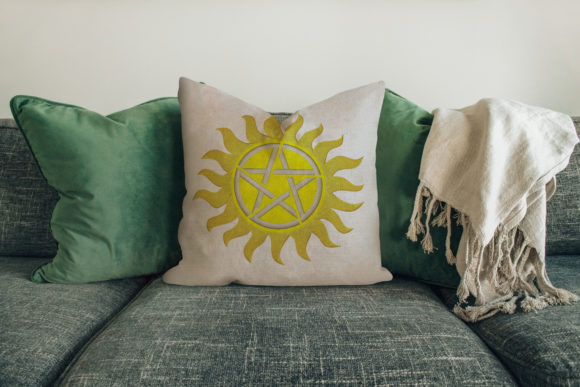
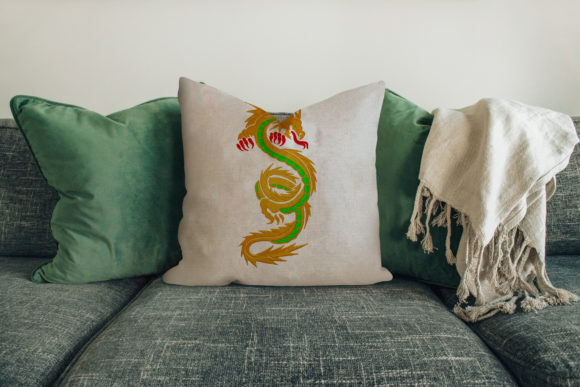
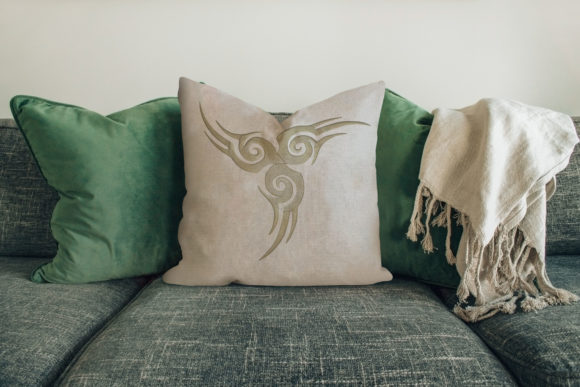
When I first look at a design like Tattoo Design on Cushion, my professional eye immediately assesses its personality and potential. The title suggests a bold, illustrative style, likely with intricate lines and a certain artistic flair. For small business owners, this translates to a design that feels handmade, artistic, and potentially eye-catching. It carries a decorative, premium vibe that can elevate simple merchandise. The description confirms its versatility—a high-quality embroidery design intended for pillows, shirts, and sweatshirts. This isn’t just a decoration; it’s a robust digital embroidery file built for application across multiple products, which is exactly what a business needs for cohesive branding.
Business Application: From Patches to Premium Merch
Imagine your small café, boutique, or creative studio. You want merchandise that reflects your brand’s unique character. Tattoo Design on Cushion can be a powerful asset here. Its illustrative nature makes it ideal for a stand-alone embroidered patch. A patch can be applied to staff aprons, creating a unified look for your bakery or coffee shop team. On a cap, this design becomes a striking front logo, perfect for a gardening center or a rustic pet brand. For a handmade shop or Etsy seller, stitching it onto a tote bag turns a simple carrier into a branded, sellable product.
Consider it as a chest logo accent on work shirts for a florist, or a sleeve detail on uniforms for a boutique. It can serve as a subtle yet artistic mark on product packaging tags or labels. As a branded product add-on, it enhances the perceived value of your goods. For event merch or customer gifts, this design adds that special, crafted touch that buyers appreciate. The availability in six sizes is crucial, allowing you to scale it for a tiny cap embroidery or a larger, statement piece on a sweatshirt.
Where This Design Excels in Commercial Embroidery
- Embroidered Patches: The design’s likely detailed outlines can create a premium, standalone patch for uniforms or retail.
- Staff Aprons & Work Shirts: Adds a professional, artistic identity to service teams.
- Tote Bags & Boutique Merchandise: Elevates simple products into branded, handmade presentations.
- Product Packaging Accents: Small versions can be embroidered onto fabric tags or labels.
- Printable Mockups: The digital file allows you to create mockups for client approval before stitching.
Considerations for Professional Execution
While Tattoo Design on Cushion offers great potential, an experienced designer knows to approach it with practical caution. The “tattoo” style often implies fine lines and detail, which requires careful execution in real business use.
Applications That Require Extra Attention
- Small Patch Sizes: If using the smallest available size, test thoroughly. Intricate details may get lost or become too dense.
- Cap Fronts & Curved Surfaces: High stitch density on curved areas like caps can lead to puckering; proper stabilizer is key.
- Tiny Lettering (if present): Any small text within the design must be checked for clarity at production size.
- Textured or Dark Fabrics: On dark uniforms or textured fabric, thread color contrast is vital for visibility.
- Items for Frequent Washing: Ensure the stitch structure is robust for aprons or shirts that will be laundered often.
Impact on Brand Identity and Customer Perception
Using a design like this on your small business merch directly affects how customers see you. A well-executed Tattoo Design on Cushion embroidery conveys craftsmanship and attention to detail. It strengthens your brand identity, making it more recognizable and memorable. For a creative studio or handmade brand, it reinforces the handmade product ethos, building greater trust and engagement with buyers.
It adds a layer of professionalism to your team’s appearance and increases the visual consistency of your merchandise line. A customer receiving a gift or buying an item with this embroidery perceives a higher product value. It’s not just a logo; it’s an artistic element that tells a story about your brand’s personality—whether that’s rustic, modern, playful, or elegant.
Essential Designer Notes Before Production
- Test in Black and White First: Stitch a sample in a single color to evaluate the clarity of the design’s form and outline.
- Check Small Patch Size Performance: Run the smallest file size to see if details remain distinct for use on caps or labels.
- Review Thread Color Contrast: Plan your palette against your actual custom apparel fabric colors.
- Inspect Spacing and Density: Look for any areas where stitches might be too close, causing fabric distortion.
- Confirm Hoop Size Compatibility: While six sizes are available, ensure the design fits your physical hoop for the target item.
- Test on Real Fabric: Don’t rely on the digital view. Stitch on a scrap of the exact fabric you’ll use (e.g., apron twill, cap mesh).
- Create a Mockup for Client Approval: Use the digital embroidery file to generate a printable mockup for your internal or client review.
- Compare Beside Other Design Assets: See how it fits visually with your other branding elements for consistency.
- Confirm Commercial Licensing: Before any business use, verify the license terms of the embroidery file allows for commercial embroidery and product sales.
Final Thoughts for Merchandise Creators
Tattoo Design on Cushion presents a compelling opportunity for businesses looking to add an artistic, crafted touch to their merchandise. Its strength lies in its decorative versatility across housewares and apparel. For the embroidery shop or apparel decorator, it’s a ready-made design asset that can speed up client projects. For the business owner, it’s a tool to build a more engaging and valuable finished product line.
Success, however, hinges on treating it as a professional machine embroidery design. Always conduct the practical tests, ask for the specific file formats and stitch counts if not provided, and plan your applications with the fabric and end-use in mind. When done correctly, this design can become a central, beautiful element of your brand’s visual story on patches, uniforms, caps, bags, and beyond.