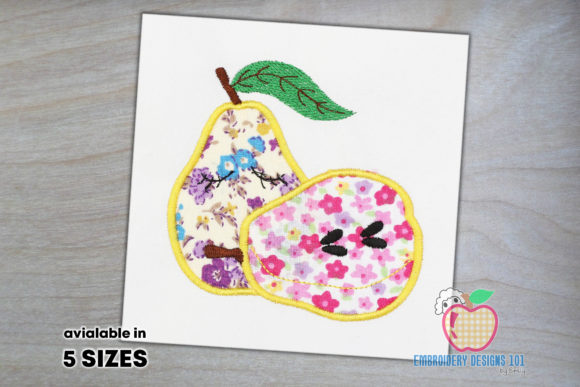
Reviewing Two Pear with the Close Eyes Applique
A First Impression: Softly Decorative Farmhouse Charm
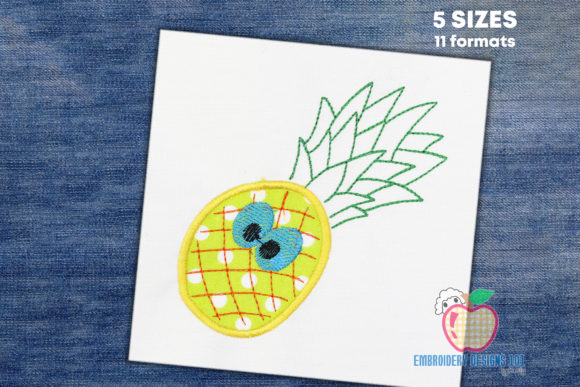
Opening the Two Pear with the Close Eyes Applique file, the immediate mood is a soft, decorative, and slightly whimsical farmhouse charm. The concept isn’t loud or bold; it’s quietly elegant. The closed eyes on the pears give it a playful, almost resting quality that feels gentle and friendly. For our craft fair table, this isn’t a design that shouts. It’s one that invites a closer look, suggesting comfort and a handmade touch. It lands squarely in that popular niche between rustic and modern—not overly kitschy, but with enough character to stand out from generic fruit motifs. This subtle personality is its biggest selling strength.
Where This Design Will Stand Out on Your Booth Table
In a sea of products, Two Pear with the Close Eyes Applique needs the right canvas to shine. Its value is visual, not narrative. Customers scanning your booth will notice it first on items where the design feels integrated and purposeful. I see it performing exceptionally well on:
- Kitchen Textiles: This is its natural home. On aprons and tea towels, the food theme makes immediate sense. The soft design elevates a practical item into a giftable handmade product.
- Tote Bags & Market Bags: Especially on natural cotton or linen. Here, the design acts as a beautiful accent, not the whole story, adding perceived value to the bag.
- Pillow Covers: For a bedroom or living room, it brings a quiet, decorative touch. It’s less festive, more premium.
- Embroidered Patches: This is a smart, versatile craft fair product. Patches allow customers to personalize their own items, and the closed-eye pears have a unique, collectible feel.
A less obvious but high-impact application is on small fabric pouches or zipper cases. These are popular, quick-to-make items, and the smaller scale of the design fits perfectly, turning a simple pouch into a boutique small shop product.
Production Practicality: From Digital File to Booth Sample
The description notes multiple embroidery file formats, which is crucial for commercial embroidery across different machines. The color separation is also a major benefit for managing thread changes. However, the real-world production test begins before you hoop your first item.
Key Steps Before Batch Production
As an embroidery designer preparing for a fair, I always follow a hands-on checklist. For Two Pear with the Close Eyes Applique, these points are essential:
- Test on Scrap Fabric: Always embroider the design on the exact fabric you plan to use—be it canvas for a tote, terry for a towel, or twill for a cap. Fabric texture dramatically changes the look.
- Check Thread Contrast: The soft mood relies on good contrast. Test on both light and dark fabrics. On dark fabrics, you may need to adjust thread colors or use a lighter backing to ensure the pears pop.
- Review Stitch Density & Detail: Look closely at the applique areas and any fine lines. Are stitch counts too dense for thin fabrics? Do small details like the closed eyes remain clear at your intended size? This design likely works best at a moderate scale; shrinking it too much might lose the charming expression.
- Confirm Hoop Size & Stabilizer: Match your planned hoop size to the product. A tea towel might need a larger hoop than a patch. Always use the correct stabilizer; kitchen towels and bags require firm support to prevent puckering.
- Create a Real Physical Mockup: Never rely only on a printable mockup for your Etsy listing or booth display. Make at least one finished product. How does it feel? Does the embroidery sit nicely on the curved surface of a cap? This hands-on test informs your pricing and production speed.
- Compare Fabric Colors: The pears might look perfect on beige linen but less striking on white. Have a palette of your standard fabric colors ready and test the design on each.
- Confirm Commercial Licensing: The description mentions it’s a machine embroidery design for multiple machines, but always verify the license terms for selling finished products before you produce anything for sale.
Selling Power: Attention, Value, and Display Impact
This design’s selling power hinges on its aesthetic coherence. It’s easy to understand at a glance: it’s two friendly pears. That instant recognition is vital for a bustling fair where customers decide quickly. It photographs beautifully for online listings because it’s uncluttered and centered, making your Etsy seller photos look professional. For batch production, the separated color steps make it repeatable and efficient—you can queue up a series of tote bag designs or tea towel embroidery without constant manual intervention.
Enhancing Your Booth's Visual Appeal
In your booth display, group products featuring Two Pear with the Close Eyes Applique together. Create a small “kitchen & home” section. Place an embroidered apron next to a set of towels and a market bag. This clustering shows versatility and builds a stronger brand story than scattering the items. The design’s consistent, soft style across different products creates a sense of brand consistency and handmade quality. It looks deliberate and curated, which increases perceived value and buyer engagement. Customers who like the style will see multiple items they might want.
The design also encourages touch. The applique and embroidery texture on a pillow or bag invites interaction, which is gold at a physical fair. It’s not a flat print; it’s tactile. This physical quality makes your products feel more premium and justifies a higher price point than digital-only goods.
Final Designer Advice for Craft Fair Success
Two Pear with the Close Eyes Applique is a strong, versatile digital embroidery file for the food and home decor categories. Its success at your fair will depend on pairing it with the right product and executing the embroidery cleanly. Focus on kitchen textiles and simple accessories where its gentle charm aligns with the item’s use. Avoid overcomplicating it—it’s an accent design, not a massive focal piece. Produce a small batch of your best-selling format (like towels or patches) and have a few one-off samples (like a pillow) to show its range. Your care in production—proper stabilizer, good thread contrast, clean finishes—will be what ultimately makes this embroidery design not just a cute pattern, but a profitable, standout handmade product on your table.